


What did a medieval abbot earn?
3,311 pounds a year, the richest abbey in England.
About $480,000 a month in today's gold.
A month of that pay weighs about as much as 4 litres of water in gold.
Fifty monks and a kitchen the size of a church. Henry VIII hanged the last abbot on the hill above it.
Where the money came from
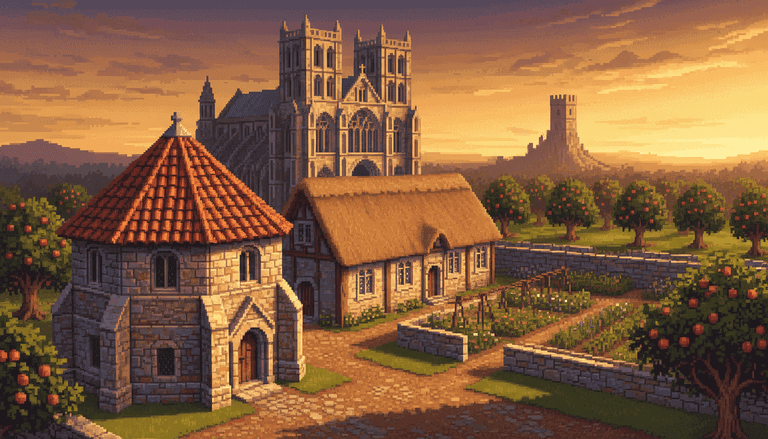
An abbot drew no wage: he ruled the lands of his house and lived on them. Glastonbury Abbey was founded in the 700s and soon given land, and Domesday Book shows its manors forming one huge estate in the middle of Somerset, an eighth of the whole county. In 1086 it was the richest monastery in the country. At the end of the 1200s its revenue came to £1,406 a year, and over £1,355 of that came from land. The abbot kept great state: his house had a hall 80 feet high and an eight-sided kitchen with four huge fireplaces. In 1535 the king's survey put the abbey's worth at £3,311 a year, nearly as much as all the other religious houses in Somerset together, and about £140 of it had to go every year in alms to the poor. The last abbot, Richard Whyting, was the son of a Glastonbury tenant and nearly sixty when he took office in 1525. In 1539 the king's men stripped the abbey, and on 15 November Whyting was hanged on Glastonbury Tor. Thomas Cromwell noted more than 11,000 ounces of plate and over £1,100 in ready money now in the king's hands. The crown's own survey then valued the rents at £4,085 a year, over £700 more than the abbey had been valued at four years before.
Sources: en.wikipedia.org · british-history.ac.uk
What an abbot's pay bought in 1350
 a year's food for one adult: less than a day's pay
 a knight's full armour: 3 days' pay
 a warhorse: 2 weeks' pay
 Harlech Castle: 4 years' pay, more than a whole year of it
 the ransom of the King of France: 260 years' pay, more than a whole year of it
Every price of 1350, with its source, is on the prices page.