


What did a medieval baron earn?
About 500 pounds a year in rents from your lands.
About $120,000 a month in today's gold.
A month of that pay weighs about as much as a litre of water in gold.
A seat in Parliament and a castle that leaks. Your war pay is pocket money next to your rents.
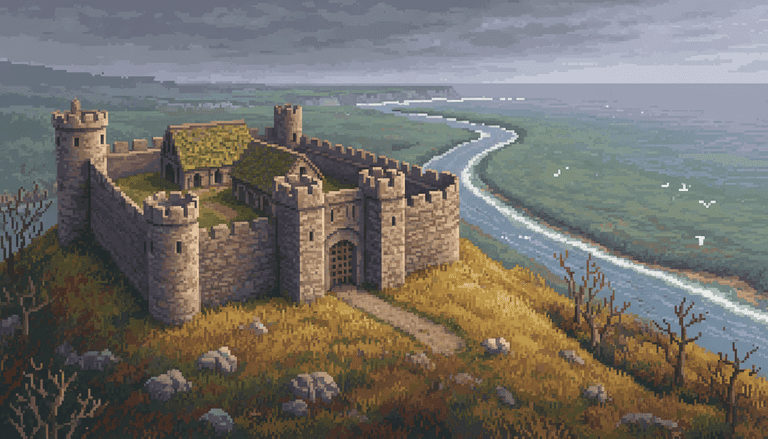
Where the money came from
In the thirteenth century a baron was a man who held land straight from the crown, enough to owe an entry fee of £100 on inheriting it, later cut to 100 marks. Under Edward III barons used the title 'lord' followed by the family name, and what set them apart was a personal summons to parliament. Between 1327 and 1377 an average of fifty-eight lay lords were summoned. A baron lived on what his lands and fees brought in. Bannerets summoned to parliament were lucky to reach about £500 a year, and most barons stood between them and the earls, who needed about £1,000. Sir Thomas Berkeley raised his income from £659 in 1335 to £1,150 in 1346 by shrewd dealing in property. Serving the king paid too. Henry Percy, second Baron Percy, was paid 500 marks a year for ever for leading a company of men-at-arms, and was promised the Clavering lands in return; in 1345 they passed to the Percys, Warkworth Castle among them. The great northern families, the Percys, Nevilles, Cliffords and Lucys among them, guarded the Scottish border and did not usually fight in France. In the 1330s the great lords resented the lowly standing that wages implied, but under the war contracts wages became the rule for every rank. Even £500 a year was twelve and a half times the £40 that made a man a knight.
Sources: erenow.org · en.wikipedia.org · erenow.org 2
What a baron's pay bought in 1350
 a hand-copied book: less than a day's pay
 a year at Oxford: 6 days' pay
 a knight's full armour: 2 weeks' pay
 Harlech Castle: 16 years' pay, more than a whole year of it
 the ransom of the King of France: 1,000 years' pay, more than a whole year of it
Every price of 1350, with its source, is on the prices page.