


What did a medieval baroness earn?
A third of the barony for life: about 167 pounds a year.
About $41,000 a month in today's gold.
A month of that pay weighs about as much as 2 apples in gold.
A third of the estate, for life, whether the heir likes it or not.
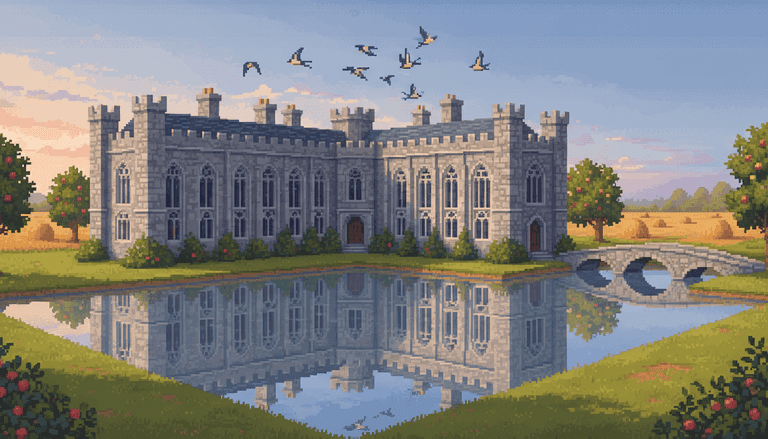
Where the money came from
A baron's widow lived on her dower, the land or money she was owed after her husband's death. By English law it was a third of his lands, hers for as long as she lived, and it could not be taken for his debts. Magna Carta in 1215 promised it to her at once and without difficulty, and she paid nothing to have it. She could stay in her husband's main house for forty days while her share was marked out, and if that house was a castle she was to be given another fitting home. By Edward III's time many lords also held their lands jointly with their wives, so the king's men could not seize them when one of the pair died. Some families named certain estates for the widow instead. In 1417 Joan, widow of Ralph, Lord Cromwell, agreed with her son, the new lord, to take for life his father's lands at Basford and Bleasby in Nottinghamshire and Winthorpe in Lincolnshire, with their rents and services and the mill at Arnold. A woman who held land still relied on men to do the military service it owed. Widows living on dower were called dowagers, and some were very wealthy. When a dowager died, her lands normally passed to the eldest son. Until then the heir held two thirds of the land, twice her share.
Sources: nottingham.ac.uk · en.wikipedia.org · nationalarchives.gov.uk · erenow.org
What a baroness's pay bought in 1350
 a fur-lined garment: less than a day's pay
 a year's food for one adult: 4 days' pay
 a craftsman's townhouse: 4 weeks' pay
 Harlech Castle: 49 years' pay, more than a whole year of it
 the ransom of the King of France: 3,000 years' pay, more than a whole year of it
Every price of 1350, with its source, is on the prices page.